Step into prewar Nagasaki
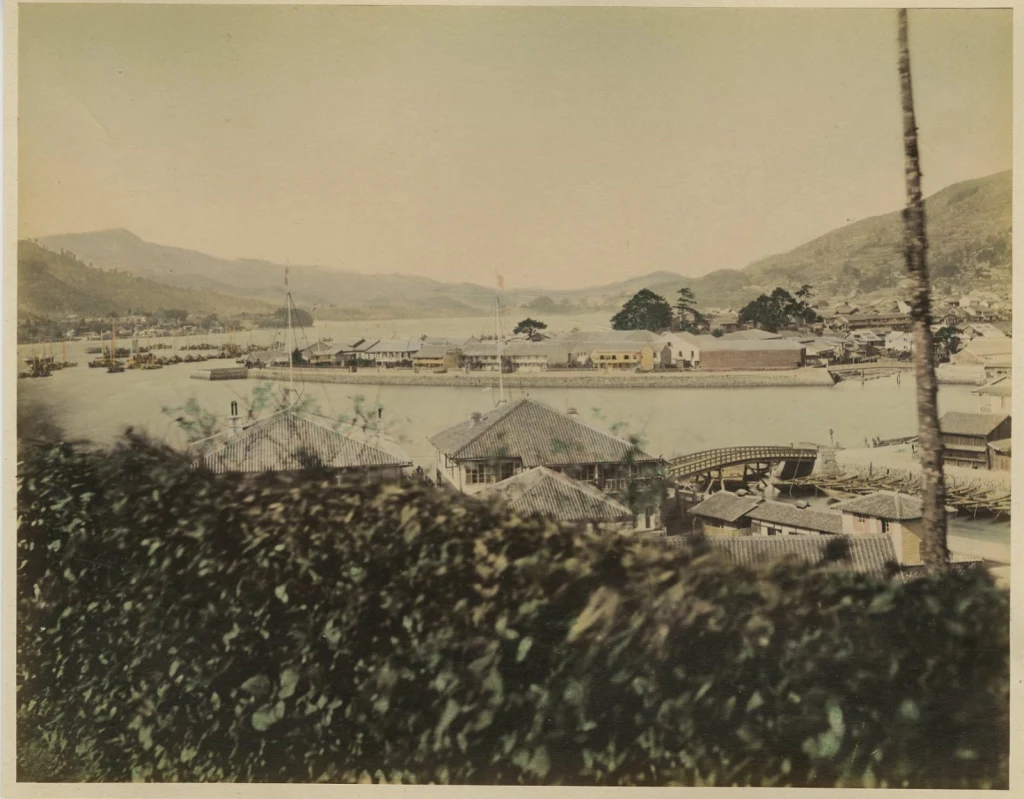

Nagasaki grew as a port open to trade and cultural exchange. From 1641, Dutch traders operated from the small artificial island of Dejima under Tokugawa restrictions. The city’s commercial districts, waterfront industry, and valley neighborhoods each had a distinct history.
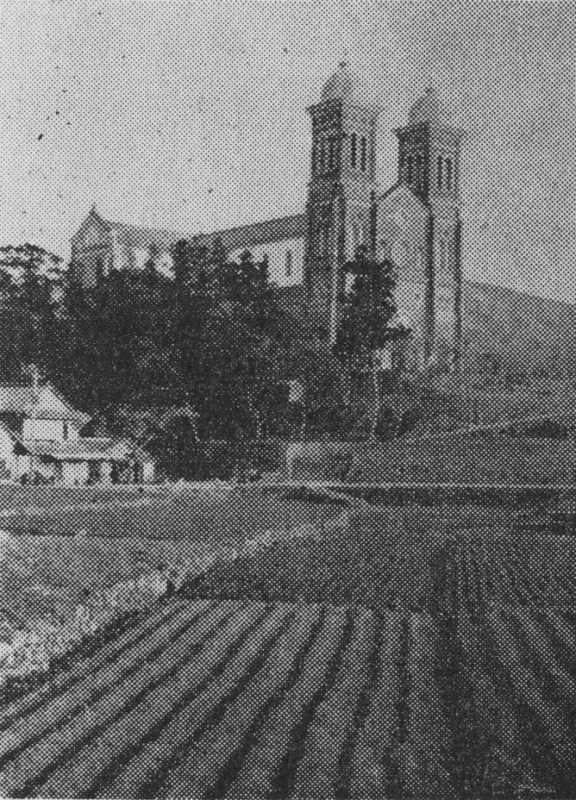
Urakami was home to a Catholic community with roots in generations of Christians who had kept their faith through persecution. By 1945, Urakami Cathedral was a landmark for that community. Nagasaki was also home to Mitsubishi shipbuilding and armaments production. Industrial sites, schools, places of worship, and homes shared the same city.
Koreans were among those caught in the bombing, including people brought to Japan for wartime labor. Decades later, a memorial to Korean victims was erected in Nagasaki. Its history is one way to trace who was remembered and how that public recognition came about.
- Discover Nagasaki · The history of Dejima
- Journal of Urban History · Nagasaki’s districts
- Visit Nagasaki · Hypocenter Park and cathedral relic
- Yonhap · Nagasaki memorial for Korean victims
Read the city from the harbor inland
Dejima belongs to the story of the harbor and regulated overseas trade. Urakami, farther inland, belongs to the story of a community that kept its Catholic faith through persecution and built a cathedral after restrictions lifted. Their different histories were part of the same city. The wartime industrial waterfront added another district with its own workers and routines.
Compare the old cathedral photograph with the pre-bombing view of Yamazato in Nagasaki’s archive. In the photograph looking across the district, the cathedral is surrounded by the neighborhood that used it. The aerial archive lets you follow the terrain between the harbor and the valley.