- 1949
A peace memorial city
A special national law provided a framework and resources for rebuilding Hiroshima as a peace memorial city.
- 1958
A monument shaped by classmates
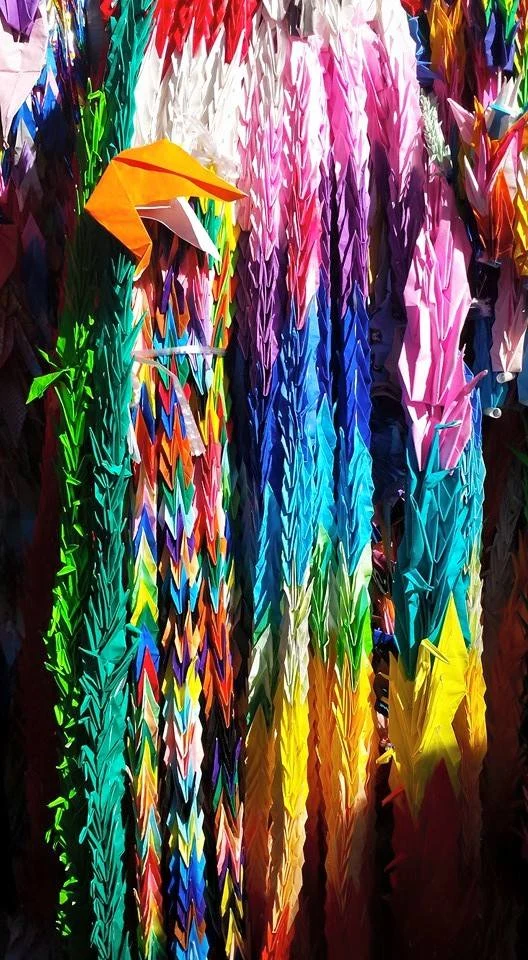
The Children’s Peace Monument opened after a campaign inspired by Sadako. Folded cranes still arrive from around the world.
- 1996
The Atomic Bomb Dome gains World Heritage status
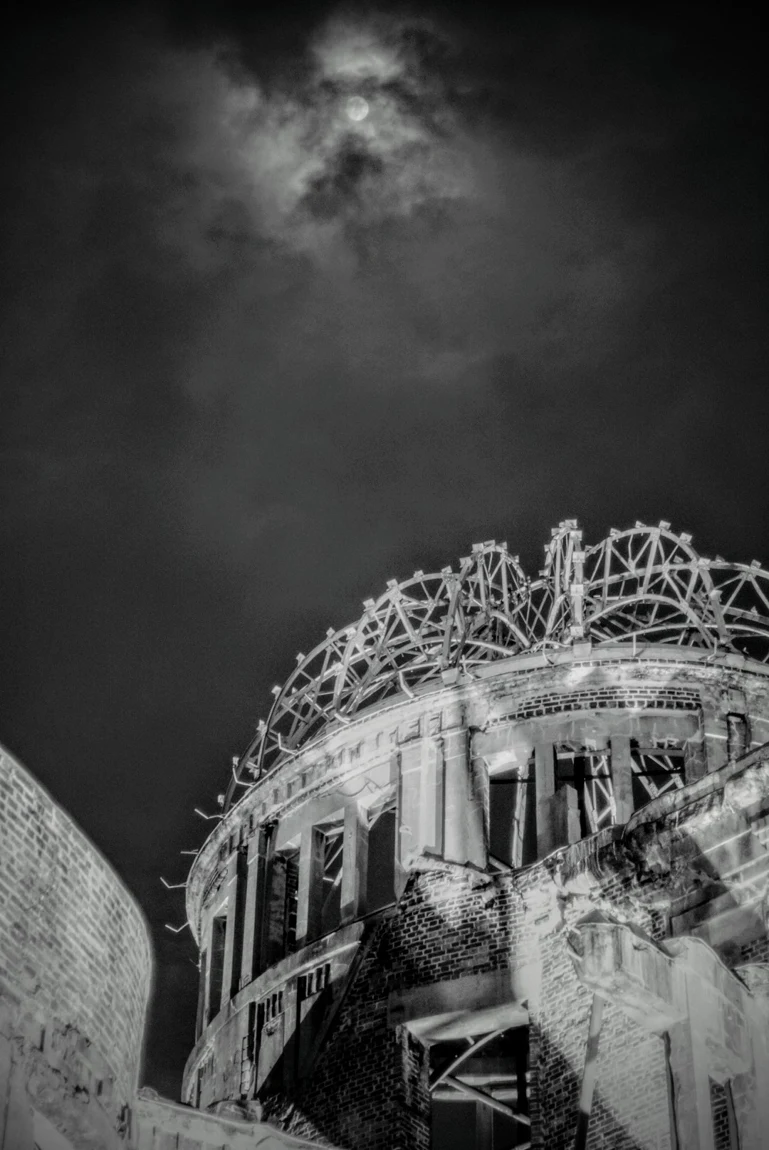
The former industrial exhibition hall, preserved in its damaged state, was inscribed on the World Heritage List.
- 2016
A visit by a sitting U.S. president
Barack Obama and Shinzo Abe stood together at Hiroshima Peace Memorial Park. The visit belongs to a longer history of survivors sharing their accounts with visitors.
- 2024
Recognition for survivor testimony
The Nobel Peace Prize went to Nihon Hidankyo, a national organization founded in 1956 that grew from survivor organizing in Hiroshima, Nagasaki and beyond.
- City of Hiroshima · Peace Memorial City Construction Law
- City of Hiroshima · Sadako and the Children’s Peace Monument
- UNESCO · Hiroshima Peace Memorial
- Nobel Prize · Nihon Hidankyo
Walk the memorial landscape
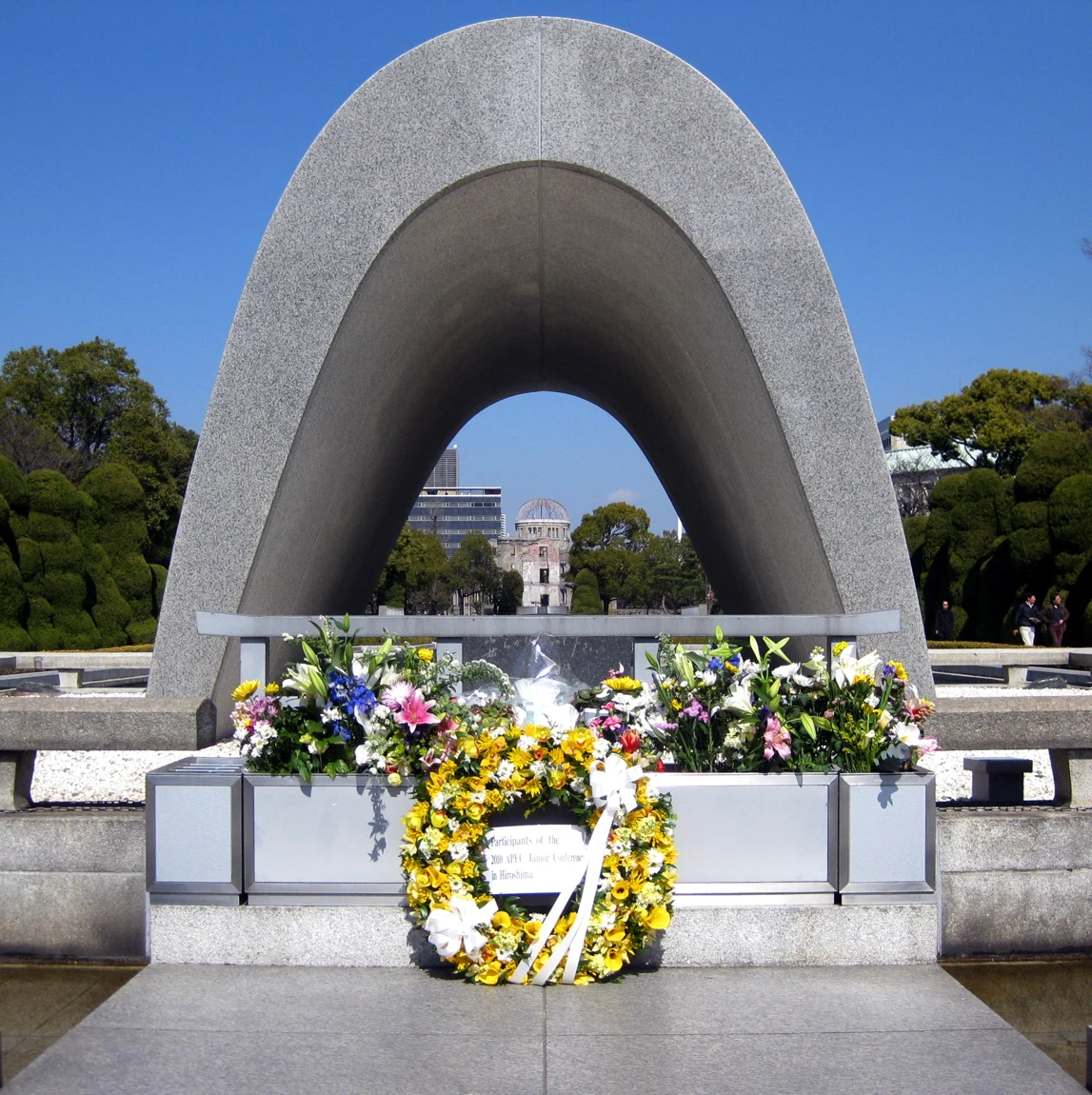
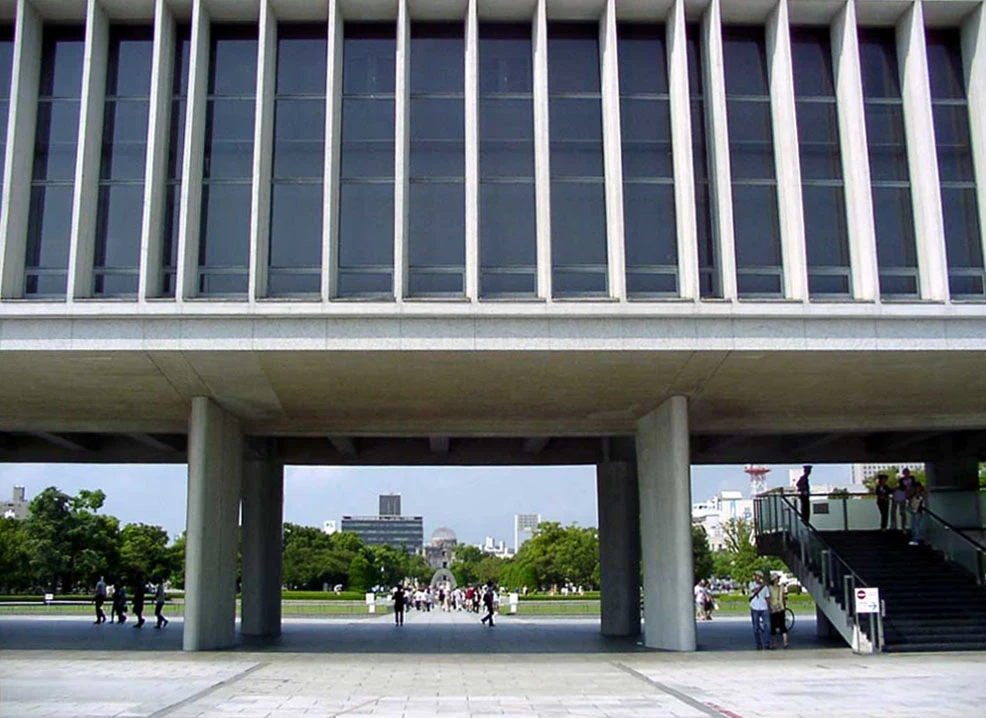
Begin at the museum’s south end and follow the park’s central axis toward the cenotaph. Beyond it, the Atomic Bomb Dome stands on the other side of the river. Then look at the memorials away from that axis. The park guide charts separate sites and the communities or events they commemorate. Those smaller stops make clear how many different acts of remembrance have shaped the park.
The Children’s Peace Monument grew out of organizing by Sadako’s classmates. The cranes visitors send connect a practiced Japanese paper-folding tradition with a specific life, a school community and decades of participation. Hiroshima’s page for the monument explains the custom and how to take part.
Inside the Hall of Remembrance
The Hiroshima National Peace Memorial Hall recreates a view of the damaged city from the hypocenter as a panorama. The walls use approximately 140,000 tiles, one for each person estimated to have died by the end of 1945. The artwork turns an estimate into something visitors can stand within. The names and firsthand accounts preserved by the hall let them return from that scale to individual lives.
Places of remembrance today




Film and testimony
Hiroshima Peace Memorial Ceremony · 2025
A recording of the annual August 6 ceremony.
President Obama visits Hiroshima · 2016
The White House video records a U.S. presidential visit to the memorial.